
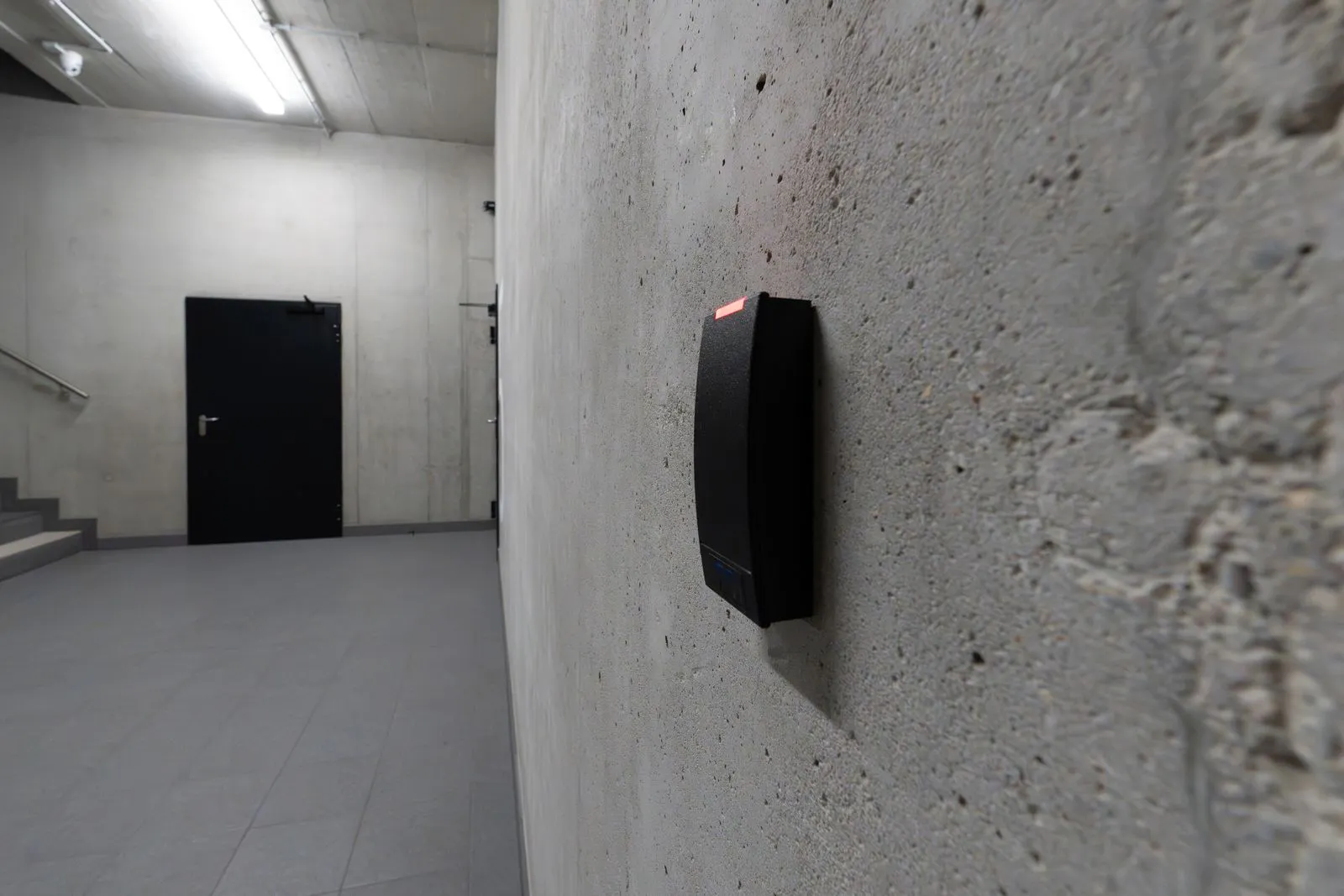
A state licensing board found out the hard way that a contractor's laptop, compromised months earlier in an unrelated breach, still had standing credentials into their case management system. Nobody had revoked the access because nobody was checking. The firewall said the laptop was inside the network, and inside the network meant trusted. That assumption is exactly what zero trust architecture is built to kill.
The Perimeter Stopped Meaning Anything
For years, government IT security worked like a castle. Build a strong wall, control who gets through the gate, and trust everyone once they're inside. That model made sense when applications lived on a single network and employees worked from a single building. It doesn't hold up when case files move between e-signature vendors, cloud storage, remote caseworkers, and third-party integrators, sometimes all in the same afternoon.
Zero trust flips the logic. Instead of granting broad access once someone is inside the perimeter, every request gets verified on its own terms: who is asking, from what device, for what specific resource, under what conditions. A user's login doesn't grant them the run of the system. It grants them exactly what that one action requires, and the system checks again next time.
Trust isn't a location on the network anymore. It's a decision made fresh for every request.
What the Maturity Model Actually Asks For
CISA's Zero Trust Maturity Model breaks the concept into five areas: identity, devices, networks, applications and workloads, and data. Agencies get scored on where they sit between traditional, initial, advanced, and optimal maturity in each one. It's a useful checklist, but the real value shows up when you stop treating it as a compliance exercise and start asking where each pillar shows up in your actual systems.
Take identity. Traditional maturity means a username and password get you in and you stay in. Optimal maturity means every session is continuously validated, access is scoped to the task, and a compromised credential gets flagged fast because its behavior doesn't match the pattern. Most agencies sit somewhere in the middle, and vendors selling into government need to be honest about which end of that spectrum their platform actually supports.
Where This Shows Up in a Document Pipeline
Zero trust isn't only about who logs into a portal. It applies to the machine-to-machine traffic that moves documents from an e-signature platform into a system of record, or from an intake form into Box. Every step of that journey is a request that either gets scoped and verified or gets waved through because it came from a familiar-looking source.
Authenticated capture, not blanket trust
When AIRLIFT Connect pulls in a completed form from Adobe Acrobat Sign or DocuSign, or accepts an inbound web service request, that inbound call is authenticated on its own merits. It doesn't inherit trust from being on the right subnet. Each import is tied to a specific source, a specific credential, and a specific expected payload shape.
Least privilege through the transform and deliver stages
The service accounts that transform a document into a Quillix package or deliver it to an SFTP endpoint don't need, and shouldn't have, access to anything beyond that one job. When delivery fails, the retry logic operates in isolation rather than falling back to a broader, less scoped process. That containment is a zero trust principle even when nobody labels it that way.
And the audit timeline that tracks an import from queued through completed does double duty here. It's not just a record for after-the-fact review. It's evidence, in real time, that each stage actually verified what it needed to verify before moving the document forward.
Questions to Ask Before You Sign
If you're evaluating a vendor for document or case management, don't ask them if they "do zero trust." Everyone will say yes. Ask harder questions instead. Does every API call get authenticated individually, or does a single token unlock a whole session's worth of access? Can you scope a service account down to one delivery destination, or is it all-or-nothing? When something fails partway through a pipeline, does the failure stay contained, or does it require broad system access to fix?
The answers tell you more about a vendor's actual security posture than any marketing page will. A platform built around governed, auditable pipelines from the start tends to answer these questions easily, because the architecture already assumes no request gets a free pass just for showing up from inside the network.
cloudPWR built AIRLIFT Connect around that assumption. Every capture, transform, and delivery step is scoped, logged, and verified on its own terms, which is what agencies actually need when the next audit asks not just what happened, but why the system trusted it.